
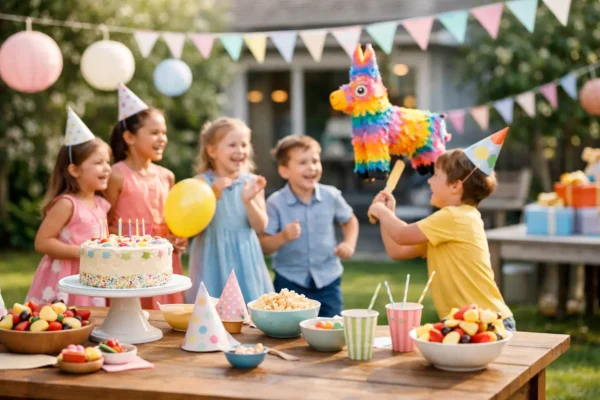
The cake is ordered, your child is counting down the days, and suddenly the big question lands – how do you keep a room full of excited children happy without turning your home upside down? That is where a good guide to planning an at-home kids' party makes all the difference. The best home parties are not the biggest or fanciest. They are the ones that feel fun, well-paced and easy for parents to manage.
At-home parties can be brilliant in Singapore because they are convenient, familiar for younger children and often far less stressful than moving a group from place to place. But they do need a bit of structure. When children know what is happening next and the entertainment is led properly, the party feels lively instead of chaotic.
Why an at-home party works so well
Many parents assume they need a huge venue, elaborate decorations or a packed schedule to make a birthday feel special. Usually, that is not true. Children care far more about whether they are engaged, included and having fun with the birthday child.
Hosting at home or in a condo function room gives you more control over timing, budget and comfort. It also makes things easier for guests with younger siblings, grandparents and helpers coming along. The trade-off is that you need to think more carefully about flow. In a home setting, every part of the party is more visible. If there is a lull, children notice it quickly.
That is why the real secret is not more activities. It is better pacing.
Guide to planning an at-home kids' party without overcomplicating it
Start with three basics – age group, guest count and party length. These three decisions affect almost everything else, from food to seating to entertainment.
For children aged 3 to 5, shorter is usually better. Around 1.5 to 2 hours is often enough, especially if you are inviting nursery or preschool friends. They tend to love simple, high-energy moments, but they can also tire quickly. For children aged 6 to 9, you have more flexibility, and a two-hour party often works very well. For older children, it depends on the type of programme. If the entertainment is interactive and age-appropriate, they can stay engaged much longer than many parents expect.
Guest count matters just as much. A party for 10 children feels very different from one for 25. In a home environment, a smaller group may allow for more relaxed social time, while a larger group usually benefits from a clear party leader who can hold attention and direct movement. If you are using a condo function room, you may have a bit more breathing space, but structure still matters.
Choose a simple party flow
Parents often worry about what activities to plan, but children respond best when the event has an easy rhythm. You do not need to cram in games, crafts, a treasure hunt, free play and a full meal all at once.
A strong party flow often looks like this: arrival and settling in, the main entertainment segment, cake time, food, then a calm close or photo moment before guests leave. That sequence works because it builds anticipation, gives children something to focus on, and avoids that awkward middle period where everyone is waiting for the next thing.
If you put food too early, some children finish quickly and start running around while others are still eating. If you leave the entertainment too late, the energy can become scattered before the main event begins. There are exceptions, of course. Younger children sometimes need a snack earlier, and some family parties are more casual. But for most birthday celebrations, one strong centrepiece activity is better than trying to manage several smaller ones yourself.
Think about space in practical terms
You do not need a huge living room to host a great party. What you do need is a clear area where children can gather, sit or stand comfortably, and focus on what is happening.
Move fragile items out of the way. Keep pathways open for adults and children to move safely. If you are in a flat or condo, think about where shoes, bags and prams will go so the entrance does not become crowded. Small adjustments make a big difference on the day.
Noise is another practical point. Home parties are naturally louder than ordinary playdates, so if you are in a condo or close to neighbours, it helps to be mindful of timing and sound levels. Late morning or mid-afternoon often works better than very early or evening slots.
If you are booking live entertainment, let the entertainer know the type of space in advance. An experienced performer can adapt to different room sizes, but they need a clear picture of what they are walking into.
Food should be easy, not ambitious
This is one area where many parents create extra work for themselves. Children rarely judge a party by whether the menu was elaborate. They care whether the food is familiar, easy to eat and available at the right time.
Finger foods usually work best. Small sandwiches, nuggets, fruit, mini pastries or simple party snacks are often more practical than full meals with lots of sauces or difficult serving arrangements. For younger children, less mess is usually a win. For older children, you can be a little more flexible, but convenience still matters.
It is worth checking about allergies and dietary needs in advance, especially in school-age groups. Keep serving simple so you are not stuck in the kitchen while the party is happening. If adults are staying, you may want a separate light refreshment area for them, but it does not need to be complicated.
Entertainment is what holds the party together
This is the part parents feel most relieved about once it is properly sorted. At-home parties run more smoothly when one person is clearly leading the children. Without that, parents often end up improvising games, managing turn-taking and trying to win back attention every few minutes.
Good entertainment is not just about getting laughs. It is about keeping children engaged while guiding the room. That means pacing the energy, knowing when to bring children in, when to settle them, and how to adapt if the group is shy, excitable or mixed in age.
This is especially important in Singapore homes and condo spaces, where party areas can vary a lot. A professional entertainer who is used to these settings can make a modest space feel full of energy without needing parents to take over. That is one reason families often choose structured live entertainment with Explorer Joe – it gives children a proper party experience while allowing parents to relax and enjoy the celebration instead of running it.
Keep parents informed without overloading them
A clear invitation helps everyone. Include the start and finish time, venue details, whether siblings are invited and any notes about parking, condo access or security check-in if needed. The simpler the communication, the fewer last-minute messages you will need to answer.
It also helps to be realistic about drop-off expectations. For younger children, most parents will stay. For older children, some may leave and return later. Knowing this in advance helps you plan seating, refreshments and supervision more comfortably.
The small details that reduce stress on the day
Set up earlier than you think you need to. Even a well-planned party feels rushed if balloons are still being tied while guests arrive. Lay out the cake knife, candles, lighter, plates, tissues and rubbish bags before the party begins. These are tiny things, but they are the items people end up searching for when the room is full.
If your child is young, spend a minute telling them what to expect. Explain when friends will arrive, when the entertainment will start and when cake time is coming. Children often behave better when the party feels predictable rather than overwhelming.
You do not need perfection. In fact, the warmest home parties usually feel a little lived-in. What matters is that the children are engaged, the birthday child feels celebrated and the adults are not stretched in five directions at once.
A good at-home party should feel easier than you expected
That is really the goal. Not a picture-perfect setup, but a party where the children are excited, the flow makes sense and you are not spending the whole time trying to control the room.
If you remember one thing from this guide to planning an at-home kids' party, let it be this: children do best when the fun has structure. Give them a clear programme, age-appropriate entertainment and enough space to enjoy themselves, and your home can become the perfect place to celebrate.
When the planning is simple and the party is led well, you get to do what most parents actually want on the day – watch your child have a brilliant time and enjoy the moment with them.